

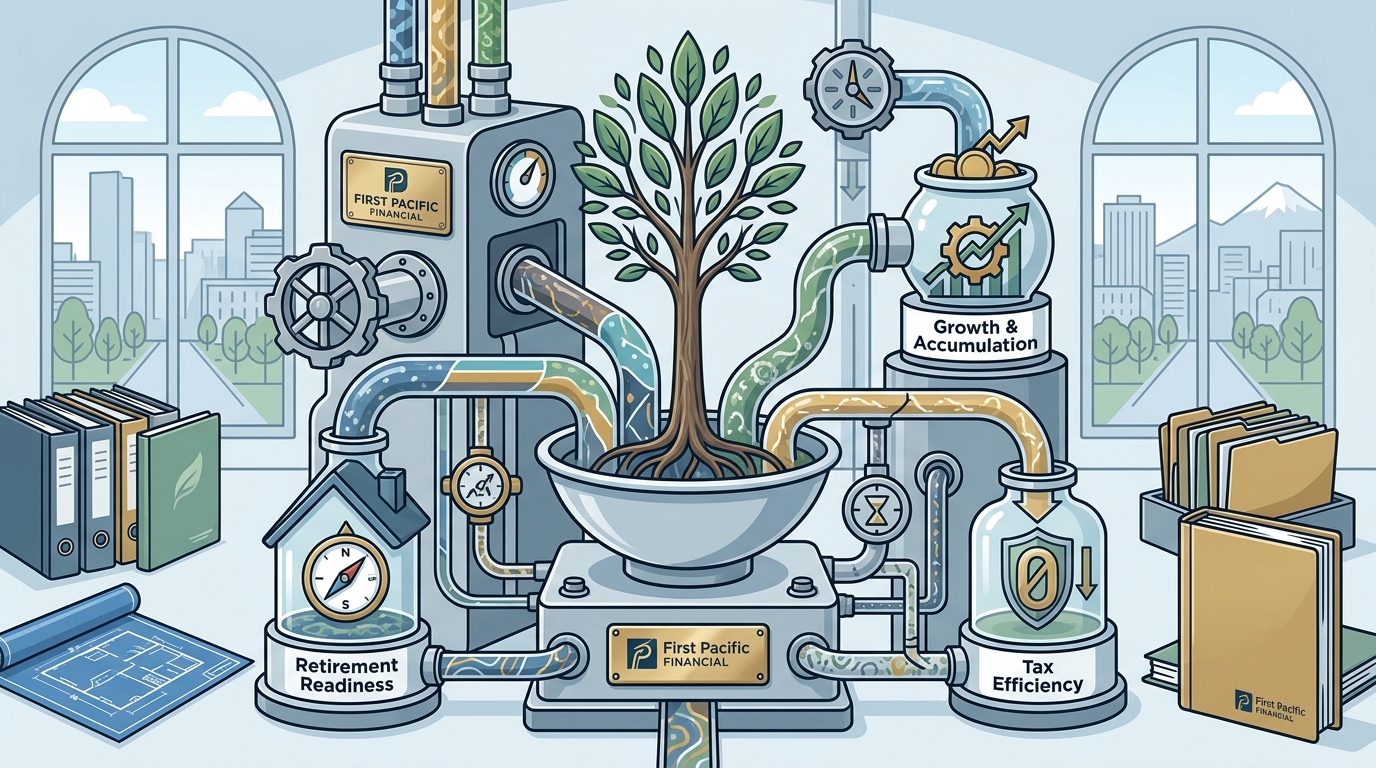
Personalized investment management is the strategic alignment of your financial portfolio with your unique life goals, risk tolerance, and tax situation. According to recent industry data, individuals who engage with fiduciary advisors see a significant improvement in retirement readiness and tax efficiency compared to those managing assets alone. This approach moves beyond generic market trends to focus on your specific financial ecosystem. (Financial Planning amp Wealth)
The Fiduciary Advantage and Trust
At the core of personalized investment management is the fiduciary standard. Fiduciary duty is the legal and ethical obligation to act in the best interest of the client. This means your advisor must put your financial well-being above their own compensation or firm incentives. This alignment eliminates conflicts of interest that are common in traditional brokerage models. (FAQs First Pacific Financial)
First Pacific Financial operates under this strict fiduciary framework. Their advisors are Certified Financial Planners (CFP®) who provide comprehensive guidance rather than product sales. This trust is essential because it ensures that every investment decision is made solely to support your long-term objectives. The transparency of this relationship allows clients to focus on their lives rather than worrying about hidden fees or biased recommendations. (Fiduciary Financial Advisors Vancouver)
When you work with a fiduciary, you gain access to a partner who is legally bound to protect your assets. This is particularly important in volatile markets where emotional decision-making can lead to costly mistakes. The peace of mind derived from knowing your advisor is legally obligated to act in your favor is a primary benefit of this model. (Financial Planning Insights amp)
Holistic Financial Integration
Personalized investment management does not exist in a vacuum. It is part of a broader strategy that includes retirement planning, estate planning, and insurance analysis. Holistic financial planning is the process of integrating all aspects of a client's financial life into a cohesive strategy. This integration ensures that your investment portfolio supports your broader life goals, such as funding education or planning for charitable giving.
For example, your investment choices should complement your tax situation. If you have high taxable income, your advisor might recommend tax-exempt bonds or tax-loss harvesting strategies. This level of detail is impossible to achieve with generic investment advice. By looking at the big picture, advisors can identify opportunities to optimize your wealth across multiple domains.
First Pacific Financial emphasizes a "One Plan" approach. This methodology ensures that every financial decision is connected to your overall vision. Whether you are looking to retire early, start a business, or leave a legacy, your investments are tailored to make that happen. This comprehensive view prevents siloed decision-making that can lead to inefficiencies and missed opportunities.
Tax-Efficient Wealth Preservation
Taxes are one of the largest expenses in an individual's financial life. Personalized investment management focuses heavily on minimizing tax liability through strategic planning. Tax efficiency is the practice of structuring investments to minimize the amount of taxes paid on gains and income. This can involve asset location, where different types of investments are held in different account types to optimize tax outcomes.
For instance, holding tax-inefficient assets in tax-advantaged accounts like IRAs or 401(k)s can significantly reduce your annual tax bill. Conversely, holding tax-efficient assets in taxable accounts can allow for greater flexibility and control over your tax situation. This strategic placement is a key component of personalized management.
Additionally, advisors can help you navigate complex tax laws, such as those related to retirement account contributions. As we move into 2026, new contribution limits and rules may impact your strategy. Staying ahead of these changes requires expert guidance. By proactively managing your tax situation, you can keep more of your hard-earned money working for you.
Risk Management and Behavioral Coaching
One of the most valuable benefits of personalized investment management is behavioral coaching. Investors often make emotional decisions during market downturns, such as selling at the bottom. Risk management is the process of identifying and mitigating potential financial losses based on individual circumstances. Your advisor helps you define your true risk tolerance and sticks to the plan when emotions run high.
This guidance is crucial for long-term success. Markets will fluctuate, but a well-structured portfolio is designed to weather these storms. Your advisor provides objective analysis and keeps you focused on your long-term goals. This discipline can prevent costly mistakes and help you stay on track for retirement.
Furthermore, personalized management includes regular portfolio reviews and rebalancing. This ensures that your investments remain aligned with your goals as your life changes. Whether you are getting married, having children, or approaching retirement, your strategy evolves with you. This dynamic approach ensures that your financial plan remains relevant and effective throughout your lifetime.
Comparing Service Models
Understanding the differences between various financial service models is essential for making an informed decision. Below is a comparison of common approaches to investment management.
| Service Model | Primary Focus | Fee Structure | Best For |
|---|---|---|---|
| Fiduciary Advisory | Holistic planning and tax efficiency | Fee-only or fee-based | Individuals seeking comprehensive guidance |
| Brokerage | Product sales and transactions | Commissions and spreads | One-time transactions or simple needs |
| Robo-Advisor | Automated portfolio construction | Low annual fee | Simple portfolios with low complexity |
| Hybrid Model | Technology-driven advice with human support | Variable based on service level | Those wanting tech efficiency with human touch |
As shown in the table, fiduciary advisory services offer the most comprehensive support. They address not just investments, but also taxes, insurance, and estate planning. This holistic approach is particularly beneficial for individuals with complex financial situations or specific life goals.
Key Takeaways
- Fiduciary Standard: Advisors are legally required to act in your best interest, eliminating conflicts of interest.
- Holistic Planning: Investments are integrated with tax, estate, and retirement strategies for maximum efficiency.
- Tax Optimization: Strategic asset location and tax-loss harvesting can significantly reduce your tax burden.
- Behavioral Coaching: Advisors help you avoid emotional mistakes during market volatility.
- Dynamic Adaptation: Your financial plan evolves with your life changes, ensuring long-term relevance.
- Expert Access: You gain access to specialized knowledge in areas like estate planning and charitable giving.
- Peace of Mind: A clear, personalized plan reduces financial stress and increases confidence in your future.
Frequently Asked Questions
What is the difference between a financial advisor and a fiduciary?
A financial advisor is a broad term for anyone who provides financial advice. A fiduciary is a financial advisor who is legally bound to act in your best interest. Not all advisors are fiduciaries, so it is important to verify this status before engaging their services.
How does personalized investment management differ from robo-advisors?
Robo-advisors use algorithms to manage portfolios based on general risk profiles. Personalized investment management involves a human advisor who considers your unique life circumstances, tax situation, and specific goals. This human element allows for more nuanced and flexible planning.
Can personalized investment management help with tax planning?
Yes, tax efficiency is a core component of personalized management. Advisors use strategies like tax-loss harvesting, asset location, and charitable giving to minimize your tax liability and maximize your after-tax returns.
What is the minimum amount needed to start personalized investment management?
Minimums vary by firm. Some firms have high thresholds, while others, like First Pacific Financial, may offer more accessible entry points. It is best to contact the firm directly to discuss their specific requirements and how they can accommodate your financial situation.
How often should I review my investment portfolio?
Regular reviews are essential. Most advisors recommend at least annual reviews, but more frequent check-ins may be necessary during major life changes or market volatility. These reviews ensure your plan remains aligned with your goals.
What are the benefits of working with a CFP® professional?
Certified Financial Planners (CFP®) have undergone rigorous education, examination, and ethical requirements. They are trained to provide comprehensive financial planning, not just investment advice. This expertise ensures you receive high-quality, holistic guidance.
Is personalized investment management only for the wealthy?
No, personalized management is beneficial for individuals at various wealth levels. The goal is to optimize your financial life based on your specific needs, regardless of your current net worth. Many firms offer scalable services to meet different client needs.
Start Your Financial Journey
Personalized investment management offers a pathway to financial clarity and confidence. By working with a fiduciary advisor, you can ensure that your investments are aligned with your values and goals. First Pacific Financial provides comprehensive wealth management services tailored to your unique needs. Contact First Pacific Financial today to schedule a consultation and take the first step toward a secure financial future.